Energy
Trestle Capital Partners' Energy division is built around ReSTIMTM Holdings, an oil and gas operating platform designed to acquire, optimize, and scale producing assets. ReSTIMTM Capital Partners serves as general partner and manager. A significant portion of initial field operations is managed through Artemis Energy Holdings LLC, a joint venture entity, and its operating subsidiaries, including Artemis Oil and Gas LLC, a wholly owned subsidiary and the operator.
The upstream work centers on re-stimulation, workovers, and disciplined development of producing assets, with new drilling pursued only where inventory supports it. The platform also extends into midstream infrastructure. Its gas gathering systems, compression, and injection operate alongside an AGRU sour-gas processing platform. Current operations are mainly focused in Wyoming, in both the Bighorn Basin and Powder River Basin, with upcoming expansion into North Dakota, Utah, and Texas.
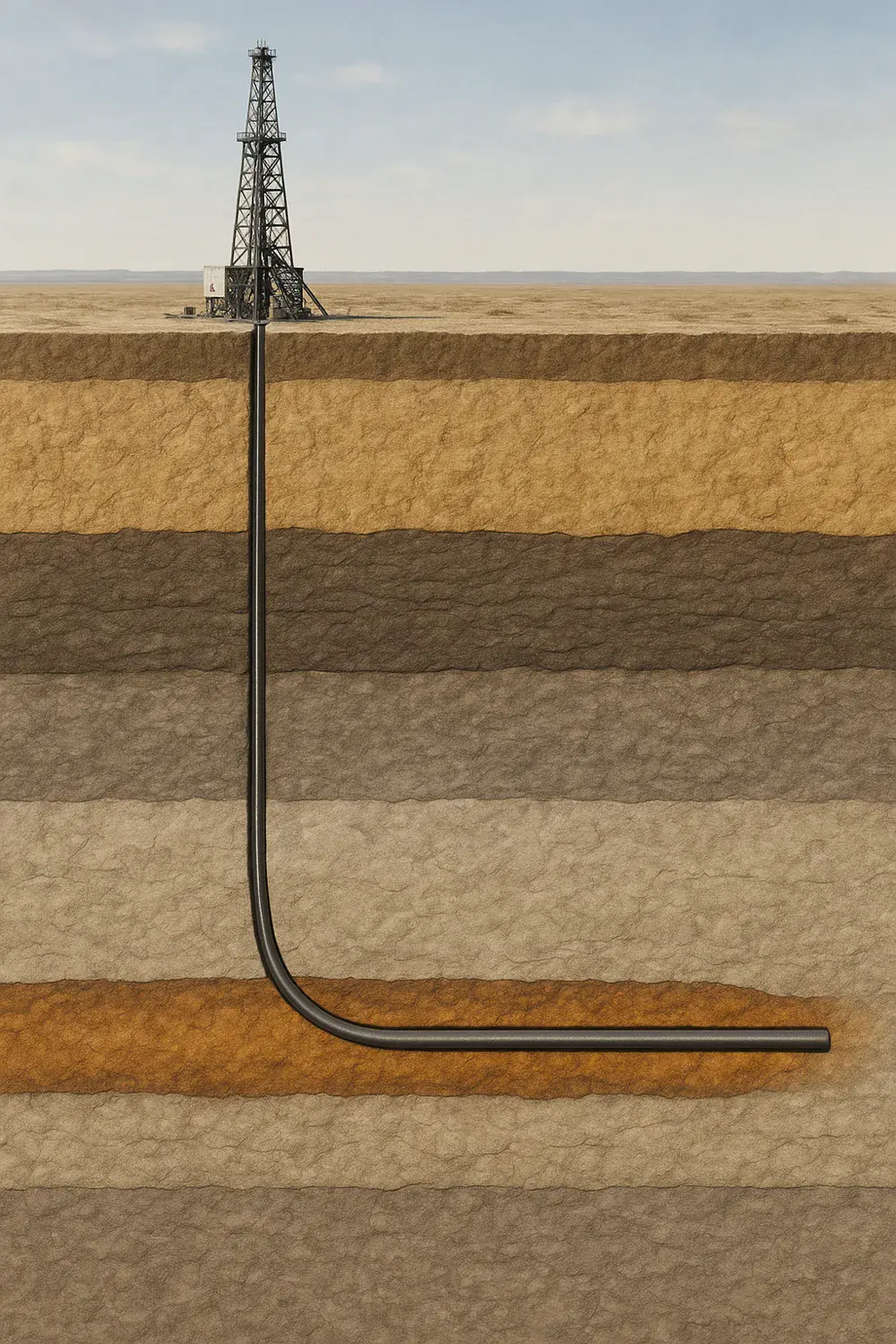
- Surface equipment
- Casing
- Vertical wellbore
- Curve
- Horizontal lateral
- Reservoir
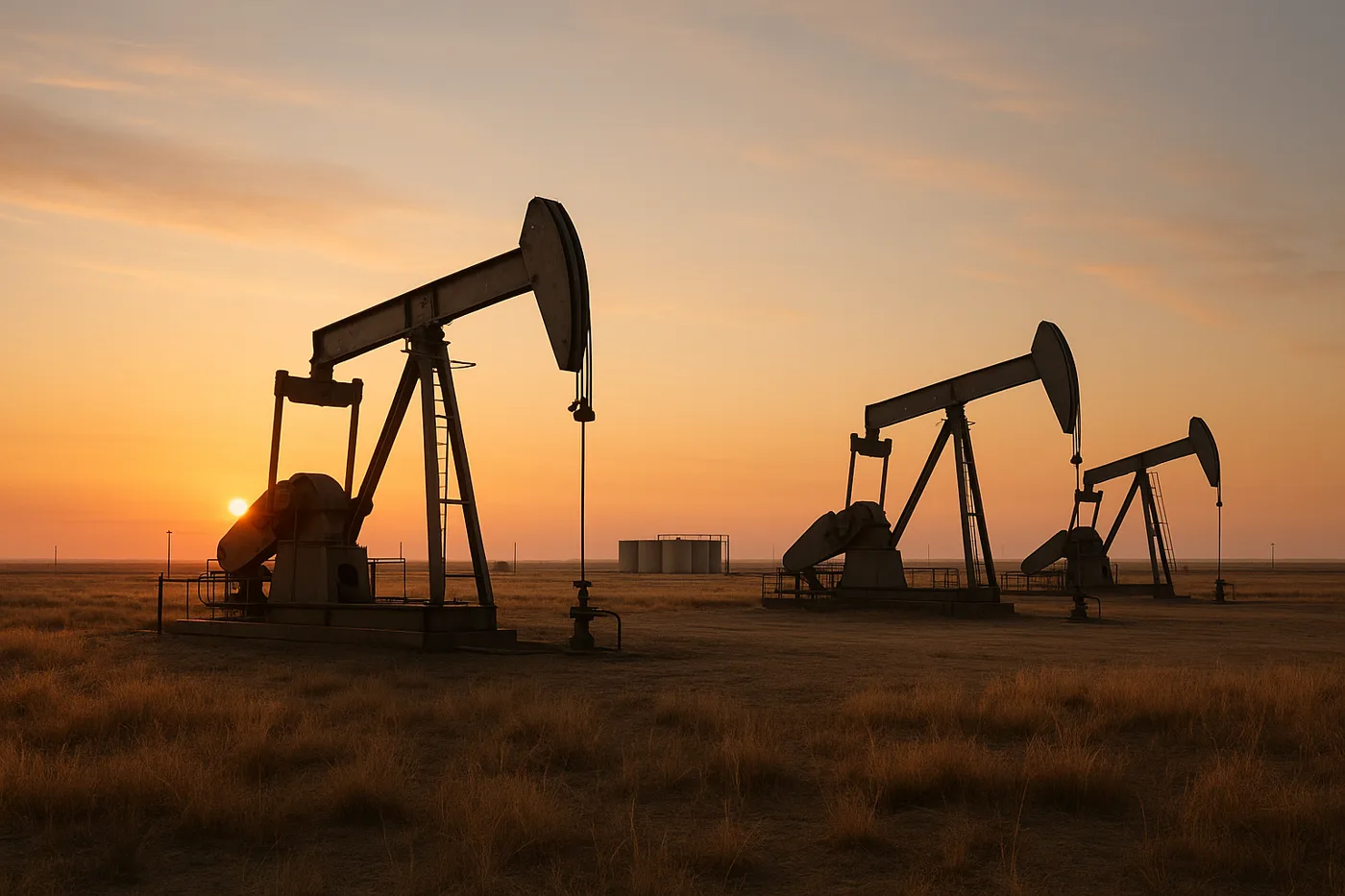
Legacy well redevelopment
ReSTIMTM directs most of its activity toward existing wells, concentrating on workovers, restimulation, artificial lift optimization, facility debottlenecking, and production uptime. The work begins with evaluation, not intervention. Candidate scoring identifies wells that may warrant restimulation, and decline-curve surveillance tracks how each well performs over time. Together these determine which wells merit further work, what form that work should take, and which wells should be left as they are. Selection is deliberate, and not every well reviewed becomes a candidate.
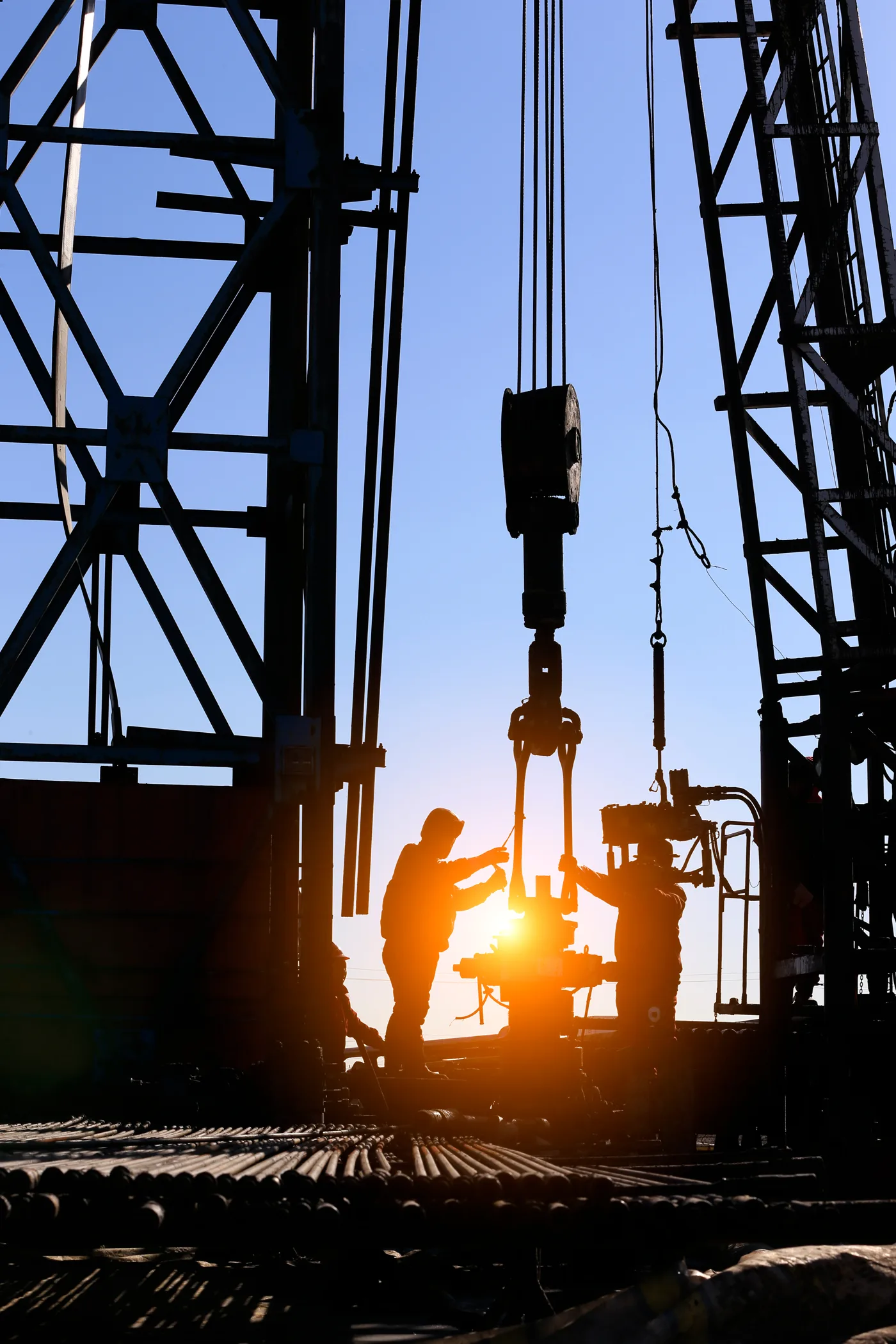
ReSTIMTM Solutions is the field execution entity for workovers, restimulations, facility upgrades, and maintenance. Restimulations follow standardized designs, supported by chemical and fluid programs and by mitigation of corrosion, scale, and paraffin, conditions that can restrict a wellbore and its surface equipment over time. Artificial lift optimization, water handling, and facility debottlenecking address constraints between the reservoir and the point of sale, and uptime work aims to reduce the hours a well spends offline. These measures are intended to improve the performance of selected wells where conditions allow. Results vary by well, and no improvement in production is assured.
Vertical and horizontal drilling
A conventional vertical well is drilled essentially straight down from the surface location to the target formation. It passes through the reservoir across the formation's thickness, so the wellbore contacts the productive rock over a relatively short interval. Vertical wells are generally simpler to drill and complete. They can be well suited to thicker intervals or to formations where several zones are stacked one above another and can be reached from a single wellbore. A horizontal well begins the same way, drilled vertically to a planned kickoff point. From there the wellbore builds angle through a curve until it runs roughly parallel to the target interval, then extends laterally within that interval. This design places much more of the wellbore in contact with the reservoir. It also demands more precise directional control and steering to keep the lateral within the zone, along with more involved completion work, typically performed in stages along the lateral, and a more complex drilling program.
The platform includes both vertical and horizontal drilling programs, supported by development planning and well-economics analysis. Neither method is applied by default. A well is pursued only where the geology, the reservoir work, the drilling design, and capital discipline together support it, and the choice between vertical and horizontal follows from those conditions rather than preceding them. New drilling is the smaller share of the platform's activity and is undertaken where existing inventory and infrastructure support it. Drilling outcomes depend on subsurface conditions and execution, and no result is assumed in advance.
Midstream gas processing
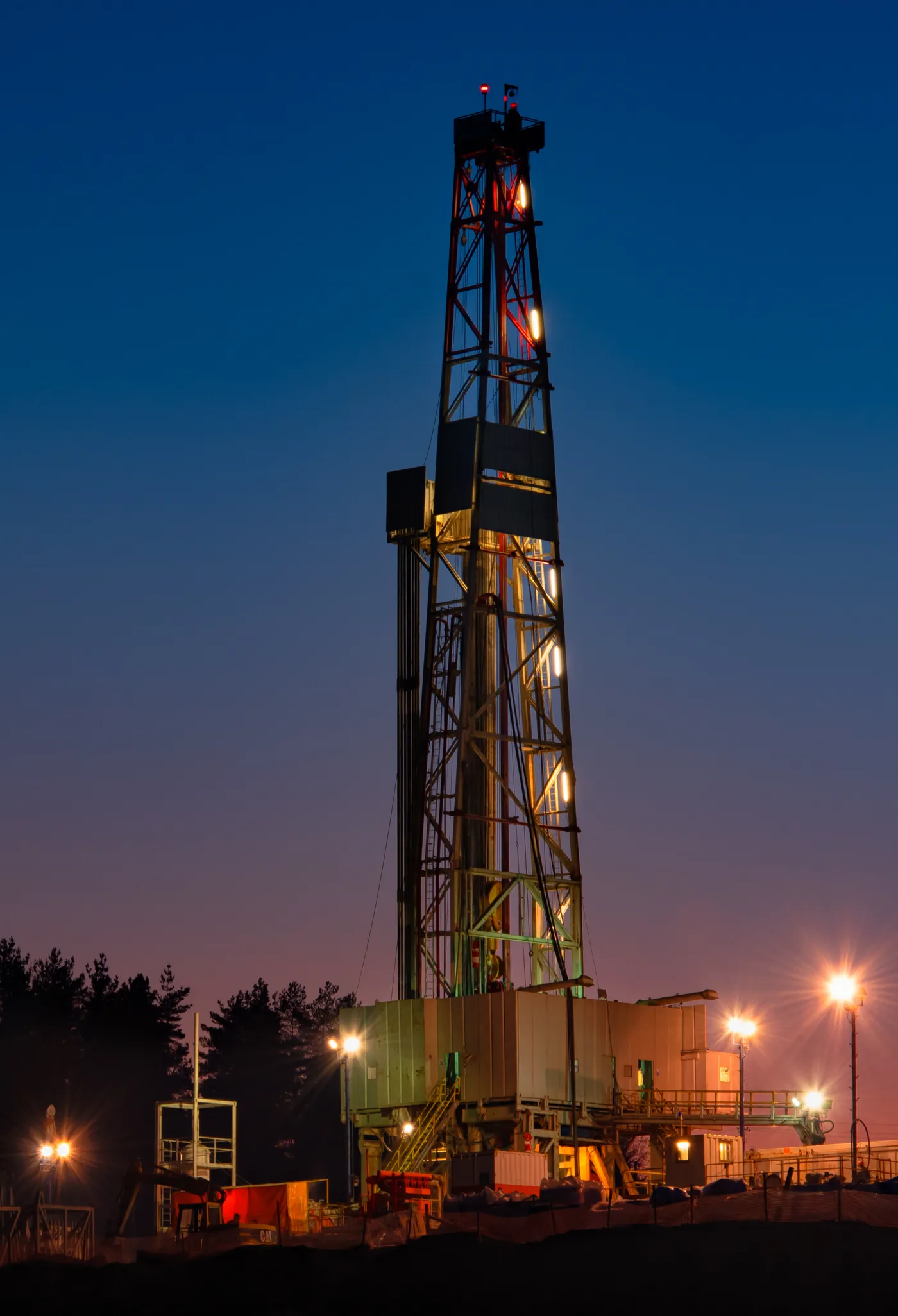
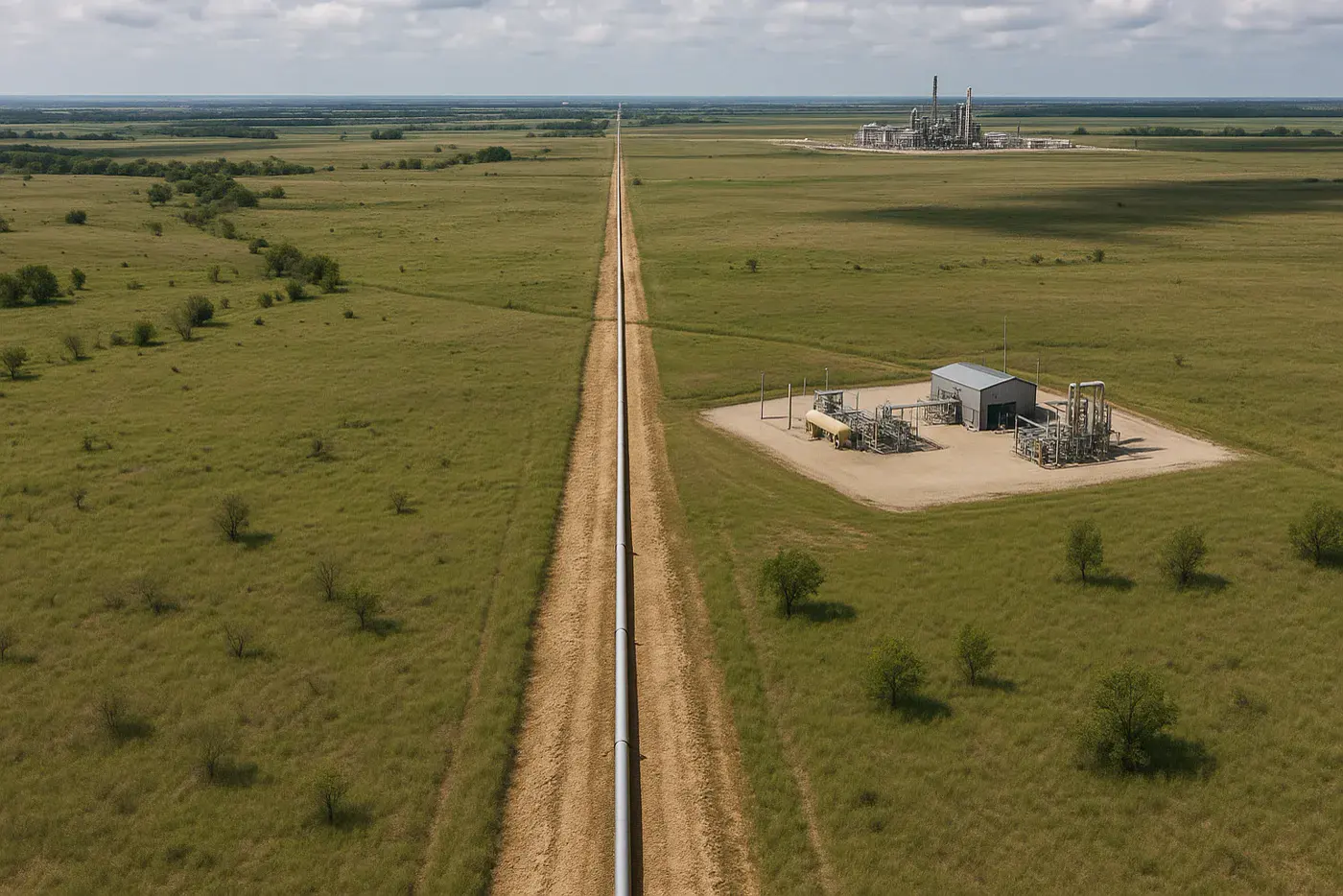
The AGRU platform is a sour-gas processing facility. Its documented assets include sour-gas processing facilities, gathering infrastructure, compressor stations, refrigeration systems, hydrogen sulfide (H2S) handling systems, injection infrastructure, and approximately 65 miles of gathering and collection systems. The facility currently receives production from multiple third-party operators.
Gathering infrastructure
Trestle's midstream operations include gas gathering associated with the sour-gas platform. The platform's acid gas removal facilities are served by approximately 65 miles of gathering and collection systems. The system carries natural gas from producing operations to processing, linking wellhead activity to the treatment step that sour gas requires before it can move further downstream.
The system also serves other operators. It currently receives production from multiple third-party operators, connecting their gas to the same processing facilities. This makes the gathering network shared infrastructure for operators in its reach, not a dedicated line for a single producer.
Water management and field services
Produced water is a constant of field operations. It comes to surface alongside oil and must be separated, stored, moved, and either disposed of or reinjected before a field can run reliably. The ReSTIMTM platform treats this work as core operating infrastructure, not an outside dependency. Its plan covers the full produced-water chain: tank batteries for separation and storage, transportation, water disposal facilities, injection wells, and evaporation ponds. These are the infrastructure categories the operating design describes. The goal is to bring more of the water cycle under coordinated operational control as the platform develops, reducing reliance on third-party capacity for a function every producing field requires.
The same reasoning applies to field services. Wells need ongoing workover and support to stay in operation, and the timing and quality of that work directly affect field performance. The operating structure assigns these responsibilities to three entities. ReSTIMTM Industrial Services is designated to acquire oilfield service companies. ReSTIMTM Solutions is responsible for field execution. ReSTIMTM Equipment holds the rigs, workover units, vehicles, and tools that field work depends on. Together, these service companies, gas and water treatment facilities, injection wells, and both legacy wells and new drilling form a fully vertically integrated energy company which pairs service capability and equipment with fields they serve, so operational risks are reduced and margins improve.
ReSTIMTM and Artemis
The ReSTIMTM platform operates through ReSTIM Holdings and a set of affiliated entities, each with a defined role. ReSTIM Ventures holds the land, leases, and mineral position and holds a controlling interest in Artemis Energy Holdings LLC. Artemis Energy Holdings wholly owns Artemis Oil & Gas LLC which serves as contract operator for field operations. Under this arrangement, the asset position sits with ReSTIM Ventures, and field operations run through the Artemis operating entity.
The remaining entities handle capital, execution, equipment, and personnel. ReSTIM Capital structures equity, debt, and joint-venture capital, and ReSTIM Capital Partners serves as general partner and manager of the investment vehicle. ReSTIM Solutions executes workovers and re-stimulations. ReSTIM Equipment holds the rigs and workover units, and ReSTIM Management employs the field and technical personnel. ReSTIM Industrial Services is the entity designed for service-company ownership within the platform.
For further information about the Energy division or ReSTIMTM, please contact Trestle Capital Partners at scott@trestlecapitalpartners.com. Limited partner portal access is not hosted on this website. This page does not constitute an offer to sell, or a solicitation of an offer to buy, any security. LP Login