
Industrial Infrastructure
The Infrastructure Behind Essential Industries.
Trestle Capital Partners organizes its industrial infrastructure activity through Nexaron Holdings LLC. The platform is built to operate the infrastructure, physical assets, and companies that comprise a vertically integrated division of Trestle Capital Partners.
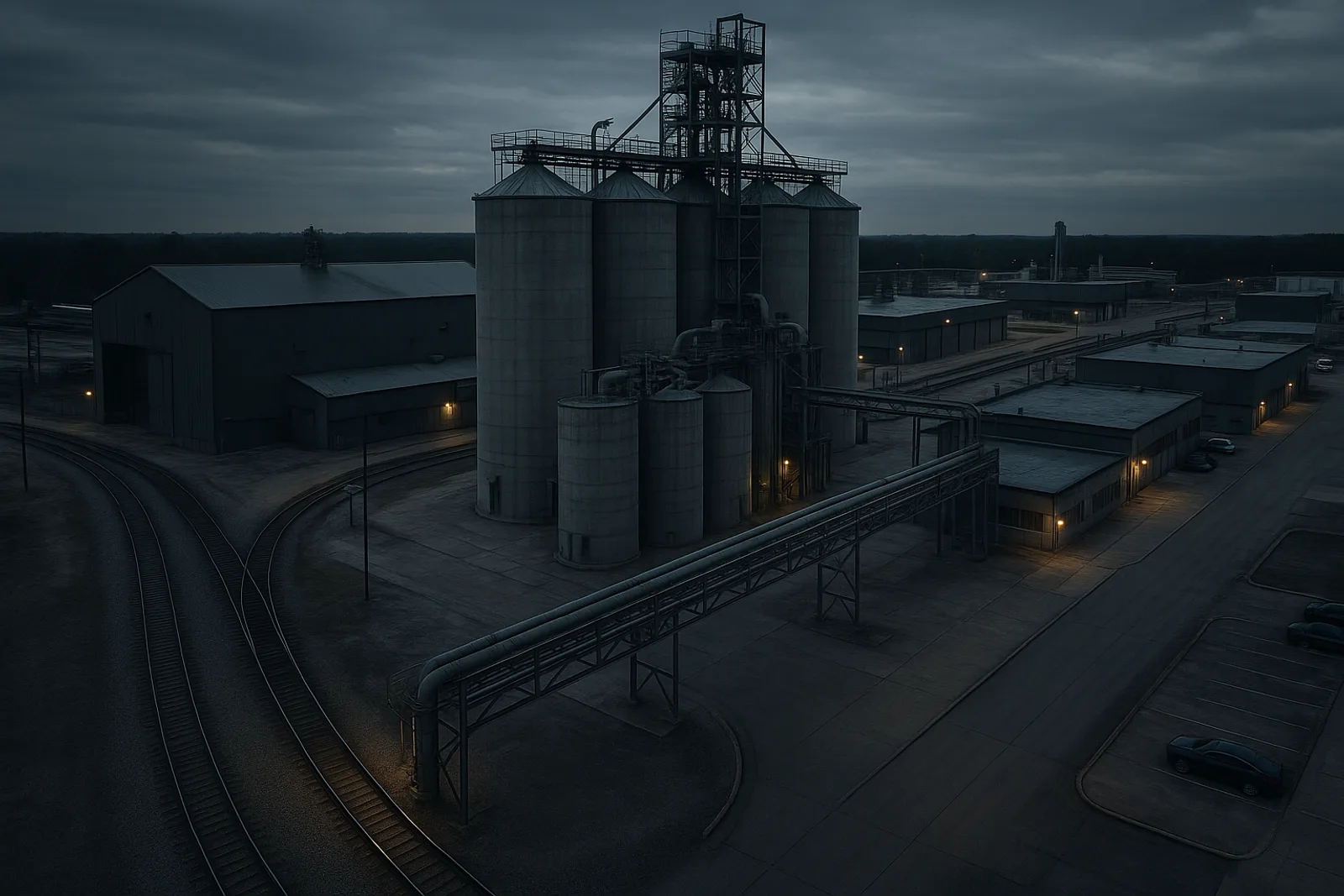
Its scope is the physical systems that industrial operations, energy production, transportation, and material handling depend on. That scope covers rail and transportation infrastructure, including rail spurs, rail yards, transloading, and industrial transportation access. It covers bulk materials and powder handling, including storage silos, material-transfer systems, bulk powder facilities, cement-related material handling, and specialized industrial logistics.
It also covers pipeline and gathering infrastructure that supports oil and gas operations and industrial connections, and water management infrastructure for industrial water handling, treatment, storage, and appropriate disposal. The scope extends to integrated industrial development, where transportation, materials, pipelines, utilities, and industrial sites are planned to work together in support of operating businesses.
Rail and Transportation Infrastructure
For heavy industry, rail is often the practical way to move bulk volume over distance. That advantage reaches only the sites physically connected to it. A rail spur links an individual plant, terminal, or storage site to a carrier's line, allowing cars to be loaded and unloaded where the material is produced or used. Rail yards provide the space to receive, stage, sort, and store cars between the main line and the facilities they serve, so that switching and loading can follow operating schedules rather than the timing of each train.
Transloading moves product between railcars and trucks, or other modes, at a common point, which extends rail service to customers and sites that have no track of their own. Together with the roads, gates, and interchange points that give a site industrial transportation access, these assets determine whether materials and commodities can move in the volumes and on the schedules an operating business requires.
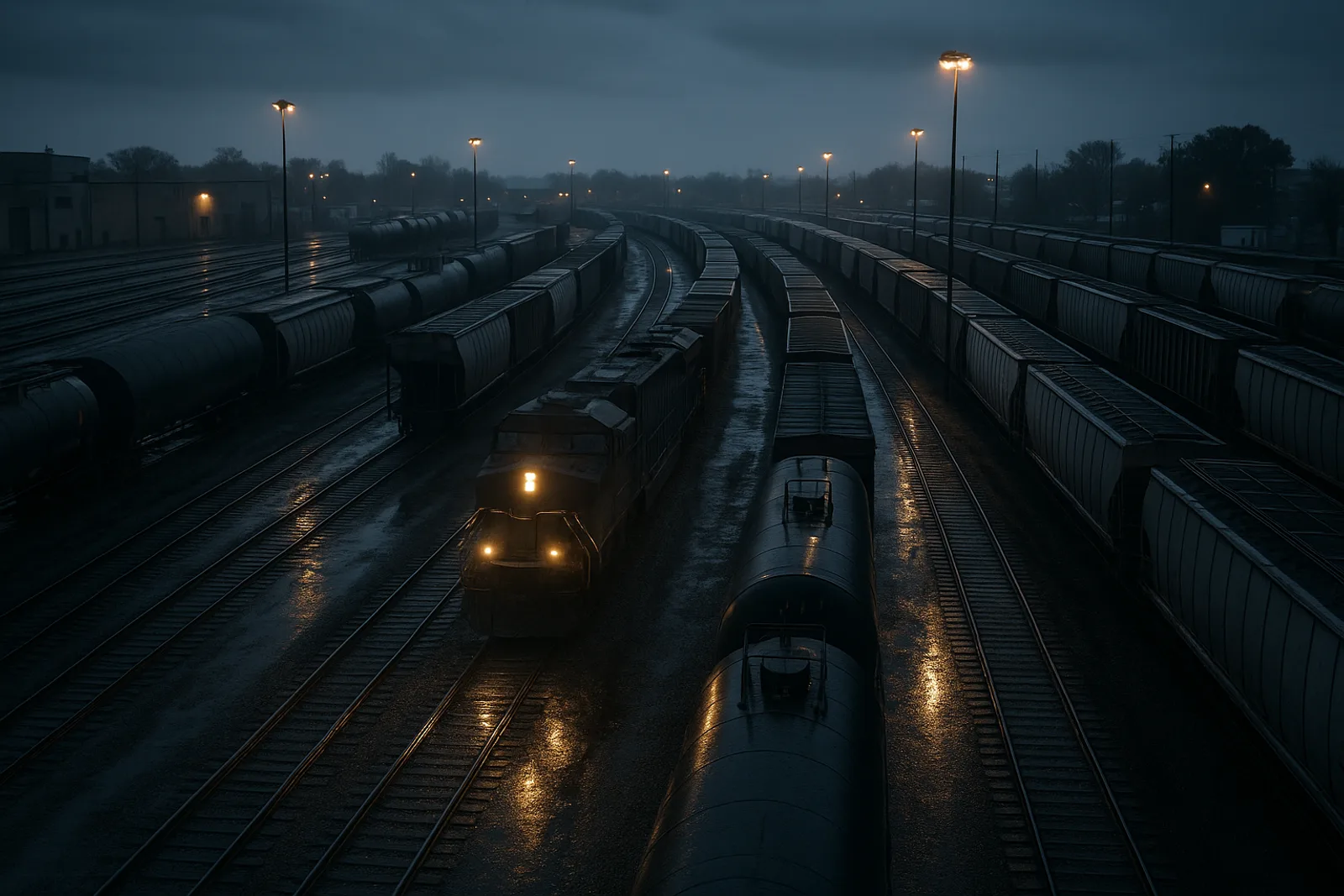
Rail and transportation infrastructure is one of the categories around which Trestle Capital Partners has organized its industrial infrastructure division through Nexaron Holdings LLC, the firm's industrial infrastructure holding company.
Within that structure, the focus is on the connections that link industrial sites to the rail network and on the handling capacity that makes those connections usable. This category also relates closely to the division's work in bulk materials handling and integrated industrial development, where transportation access is one of the systems an operating site depends on. This page describes the scope of the division's interest. No specific projects, locations, or operating assets have been published.
Bulk Materials and Powder Handling
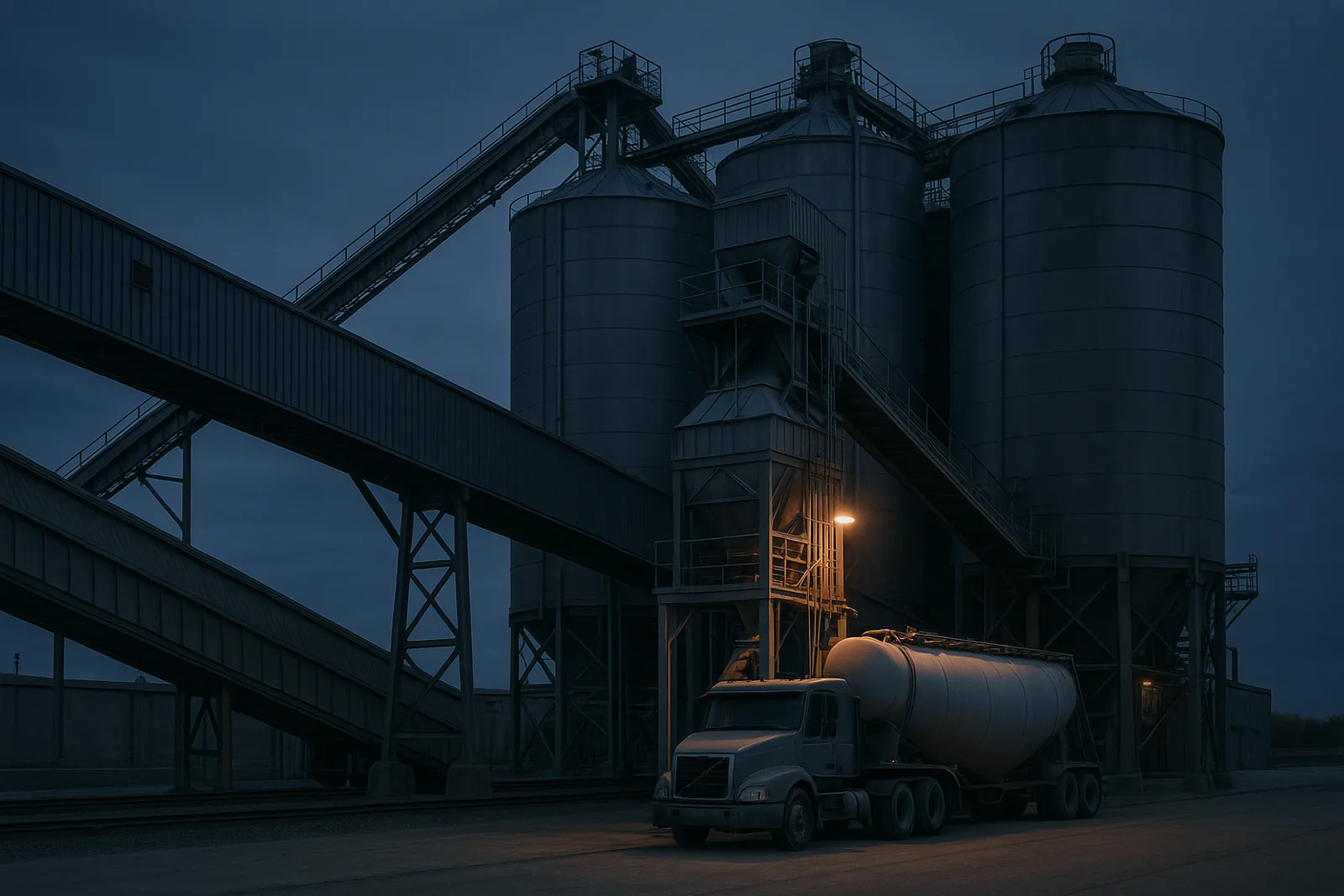
Dry bulk materials, including cement, industrial powders, and other fine or granular products used in construction, energy production, and manufacturing, depend on physical infrastructure between the point of production and the point of use. Storage silos hold material in volume and protect it from moisture and contamination. Enclosed transfer systems move it between railcars, trucks, and storage without exposing it to weather or releasing dust. Bulk powder and cement-related handling facilities allow material to arrive by one mode of transport, be held, and leave by another, so supply can be staged closer to the operations that consume it. The specialized logistics around these facilities, meaning the scheduling, loading, and movement of material that does not ship like ordinary freight, determine whether that supply reaches the right place at the right time.
A bulk-handling facility is best understood as a sequence rather than a collection of equipment: material is received, placed into storage, reclaimed on demand, and loaded out to the next mode of transport. Each stage sets the limits of the one after it, so a receiving point that unloads faster than storage can accept, or a reclaim line that cannot keep pace with scheduled loadout, turns a single bottleneck into idle railcars, waiting trucks, and lost throughput. Storage sits at the center of the sequence because it absorbs the mismatch between when material arrives and when it must leave, and its usable capacity depends on how reliably product can be drawn back out, not only on how much can be put in. For that reason, the rated capacity of any one stage says little on its own; what matters is the sustained rate the whole system can hold from first unloading to final dispatch.
Pipeline and Gathering Infrastructure
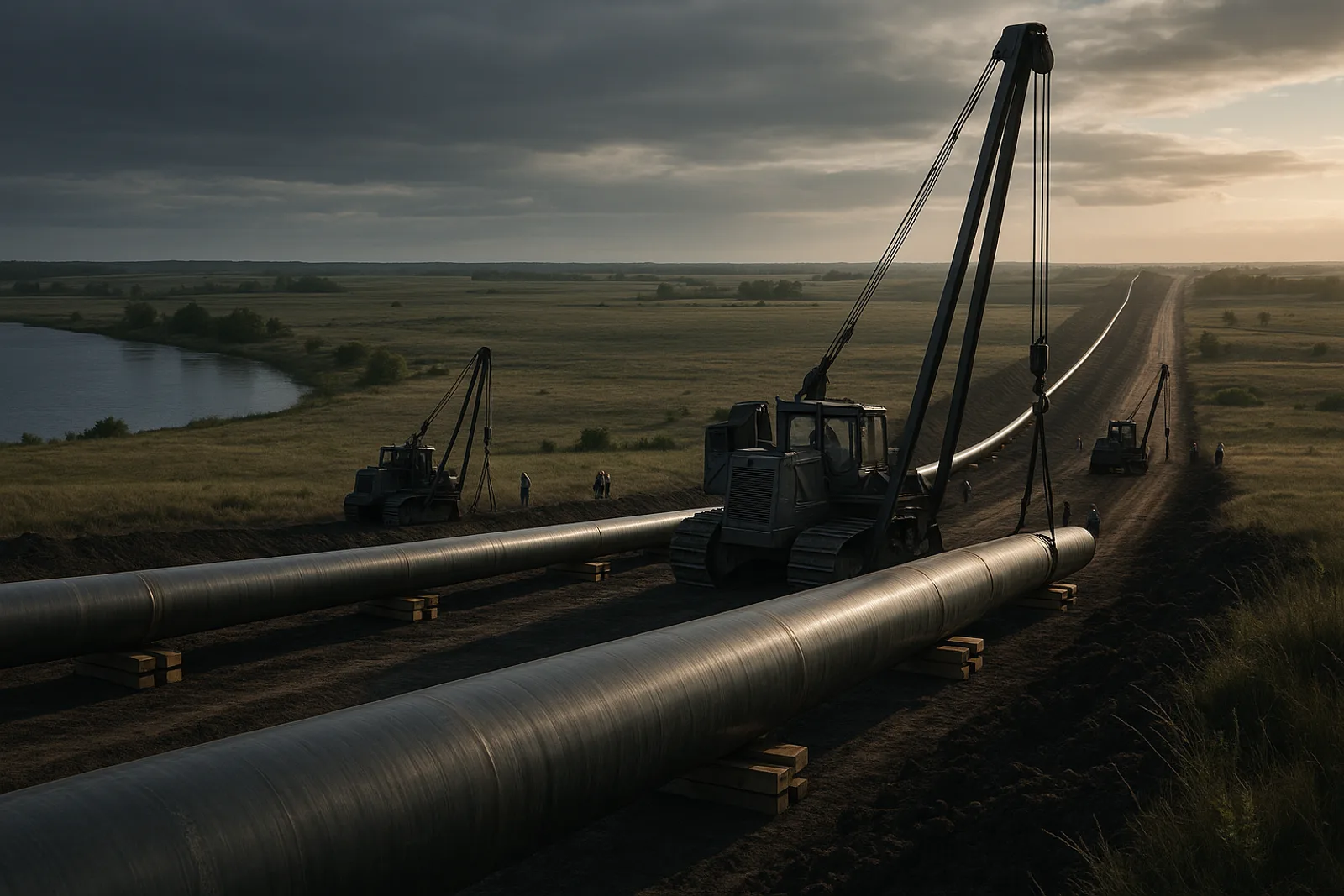
Pipeline and gathering infrastructure moves product from where it is produced to where it can be processed, treated, stored, or delivered. In oil and gas operations, gathering networks collect volumes from individual wells and production sites and carry them to processing facilities or to larger takeaway systems. The pipeline systems that support those operations replace truck movements with fixed, continuous transport, so that production capacity, processing capacity, and market access can be planned together. Industrial connections serve the same purpose for operating facilities, linking them directly to the supply and outlet points they depend on.
Once a line is in the ground, its value depends on whether production, processing, storage, and delivery keep working as one connected system rather than as separate points on a map. Volumes shift as wells decline and new ones come online, so receipt points, compression, and takeaway have to be adjusted to keep product moving toward plants, tanks, and downstream outlets without bottlenecks or stranded volumes. The ordinary work of keeping a line in service is continuous: pressure and flow monitoring, leak detection, internal inspection and cleaning runs, valve maintenance, and upkeep of the right-of-way so crews can reach the line when they need to.
Water Management Infrastructure
Industrial sites depend on water at nearly every stage of operation. Water must be sourced and moved to where processes need it, treated to the standard those processes or downstream uses require, and stored against swings in supply and demand. Where it cannot be reused, it must be directed to disposal methods appropriate to its composition and the applicable requirements. The infrastructure that performs these functions (conveyance, treatment systems, storage capacity, and disposal connections) sets practical limits on what a site can do. When that infrastructure is undersized, poorly located, or fragmented across separate operators, water becomes a constraint on production, a recurring handling cost, and a source of environmental and regulatory exposure. When it is planned as a system, it allows an operating site to run at its intended pace.
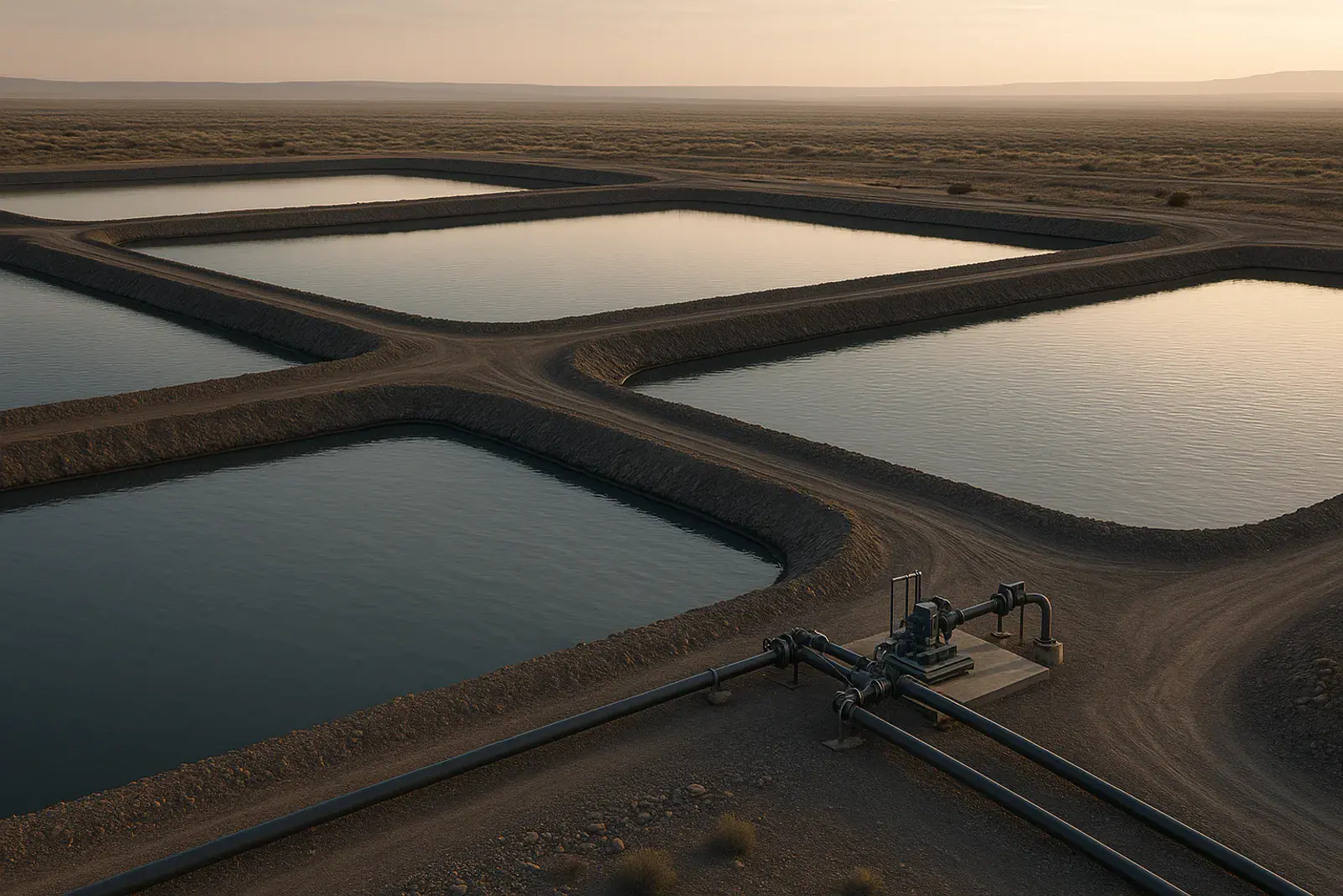
Industrial evaporation and containment facilities fall within the scope of the division for which Nexaron Holdings LLC serves as the holding company, and they cover the stage at which process or produced water is reduced through evaporation and confined until it can be managed further. The physical system is simple in concept: engineered ponds provide the surface area that evaporation requires, and earthen berms surround them to hold volume, keep runoff out, and stop contained water from crossing the perimeter. Performance depends less on the initial earthwork than on the upkeep that follows, including freeboard monitoring, routine berm inspection for erosion or seepage, removal of accumulated solids, and prompt repair of any section where water could find a path out. Containment is only as reliable as its weakest point, so the standard in this category is sustained, unglamorous maintenance rather than one-time construction.
Integrated Industrial Development
An industrial site is only as productive as the systems that connect to it. A rail spur or transload facility governs how inbound materials arrive and how finished product leaves. Bulk storage and material-transfer systems determine whether those materials can be received, held, and fed into a process at the rate the operation requires.
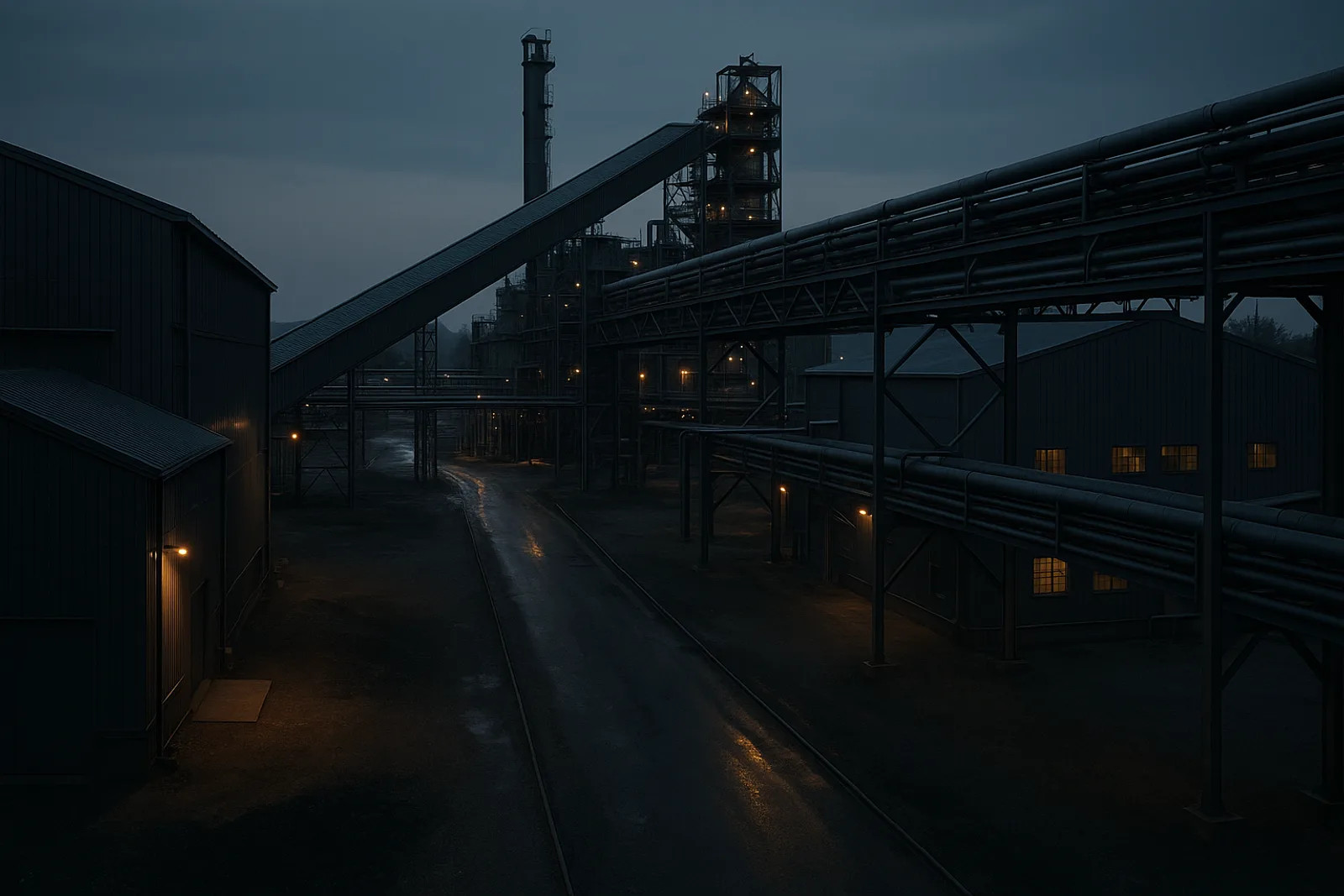
Pipeline and gathering connections move product and feedstock where railcars and trucks are not the practical carrier. Water must be handled, treated, stored, and appropriately disposed of, and utilities supply the power and services on which every other system depends. When these elements are planned in isolation, the weakest one sets the limit for the whole site: a spur too short for the cars it must hold, storage sized below the rate of rail deliveries, or a water system that caps throughput. Integrated industrial development treats transportation, materials handling, pipelines, utilities, and the site itself as a single operating system, sized and sequenced against one another and against the business the site is meant to serve.
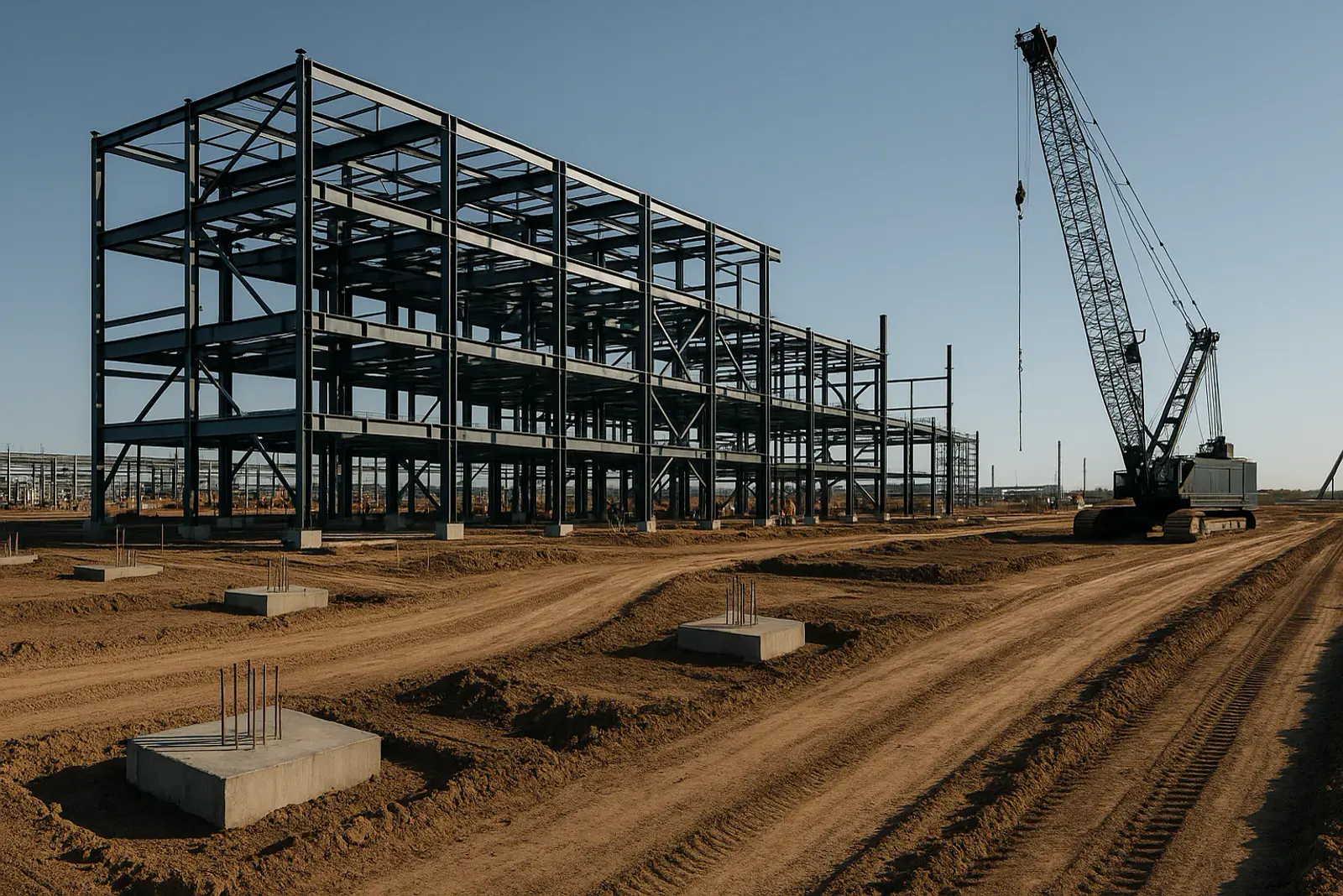
Nexaron Holdings LLC is the holding company for this division, and its purpose is to plan those systems as one development rather than as separate scopes that meet at the property line. Planning them together sets capacity once, against a common throughput assumption, so no component is sized ahead of the others or left to constrain them after start-up. Sequencing follows the same logic: each system is scheduled against the readiness of the systems it depends on, which shortens the period in which capital sits in capacity that cannot yet be used.
Industrial Infrastructure is an investment-oriented division of Trestle Capital Partners. Additional information regarding specific projects, strategic opportunities, and supporting investment materials may be available to eligible parties through our secure Investor Portal.